
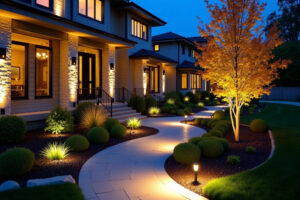
 The right color temperature for outdoor lighting can change your property from underwhelming to extraordinary. Color temperature, measured in Kelvin (K), determines whether your outdoor spaces feel warm and inviting or cool and secure. The spectrum ranges from 2000K, producing warm amber light like candlelight, to 6500K, emitting cool bluish light like bright daylight. Wrong outdoor light temperature can create blind spots on pathways or distort your architecture’s natural beauty. Landscape lighting color temperature matters when you want to create the perfect mood in each area of your property. What color temperature is best for outdoor lighting depends on your specific goals, whether you’re highlighting garden features, illuminating walkways, or enhancing security zones. We’ll explore the best color temperature for outdoor lighting in different areas in this piece and help you make informed decisions about LED color temperature for outdoor lighting that balance esthetics with functionality.
Understanding Color Temperature for Outdoor Lighting
What is Color Temperature and Why It Matters
Color temperature defines the color appearance of light emitted by a source. This characteristic is the first element you see when viewing an outdoor space and shapes how the environment feels before you even notice the actual fixtures. The space feels out of sync when the outdoor light temperature doesn’t match an area’s intended purpose, no matter how well-designed the installation.
Selecting the right landscape lighting color temperature affects both visual and functional performance. Warm tones create relaxed, social environments. Cooler temperatures provide the clarity needed for navigation and security. The science behind color temperature for outdoor lighting reveals why certain spaces feel comfortable and others seem mismatched with their surroundings.
The Kelvin Scale Explained
The Kelvin scale measures color temperature. Lower values produce warm, yellowish light and higher values generate cool, bluish light. To name just one example, candlelight sits at about 1850K, direct sunlight measures around 5000K, and blue sky reaches about 10000K. This pattern holds true in any light source: the light becomes cooler in appearance as the Kelvin number increases.
You’ll work within a practical range from 2700K to 4200K and beyond for landscape lighting applications. At 2700K, you get yellower, warmer light. At 3000K, you get clearer, pure white illumination. At 4200K, you get bluer, cooler light. Understanding these increments helps you select LED color temperature for outdoor lighting that matches your specific objectives.
How Color Temperature Affects Mood and Functionality
The psychological effect of color temperature runs deeper than esthetics. Cool, blue-rich light at 4000K and above suppresses melatonin production and signals the brain to remain alert. Warm light between 2700K-3000K allows melatonin to flow and supports relaxation and healthy sleep patterns. Research confirms that high color temperatures decrease positive mood compared to lower, warmer temperatures. <citation index=”20″ link=”https://pmc.ncbi.nlm.nih.gov/articles/PMC8481791/” similar_text=”The change in color temperature affects the visual appraisal of the environment (Manav, 2007; Kazemi et al., 2018[12]).”>Color temperature also changes visual appraisal of outdoor environments and affects how you see materials, textures, and distances.
Consider the Color Rendering Index (CRI) beyond mood when choosing what color temperature is best for outdoor lighting. You want a CRI of at least 80 to ensure colors appear natural and vibrant in your landscaping and architectural features.
Best Color Temperature for Different Outdoor Lighting Moods
Different outdoor spaces just need different emotional responses. Selecting the right landscape lighting color temperature makes those moods achievable. Each temperature range on the Kelvin scale creates distinct atmospheres that serve specific purposes throughout your property.
Warm White Light (2700K-3000K): Creating Cozy and Inviting Spaces
Warm white light produces a yellowish hue like traditional incandescent bulbs or candlelight. This temperature range excels at creating relaxing and intimate environments where you want guests to linger. The soft glow enhances natural materials like wood, stone, and brick. These surfaces appear richer and more vibrant. Install warm white fixtures in patios, decks, pergolas, and outdoor dining areas to encourage conversation and relaxation. The warm tones flatter skin and create a welcoming atmosphere that feels comfortable without being dim.
Neutral White Light (3500K-4000K): Balancing Visibility and Ambiance
Neutral white sits between warm yellow and cool blue. It offers crisp illumination without harsh tones. This versatile range showcases landscaping well and makes foliage appear vibrant and natural at night. The balanced light provides sufficient contrast to emphasize green hues without overpowering delicate plant features. Use neutral white for general landscape lighting, pathways, driveways, and garages. Areas where you need improved color rendering among inviting warmth benefit from this range.
Cool White Light (4000K-5000K): Enhancing Safety and Clarity
Cool white delivers bright and crisp illumination with a bluish tone. This temperature excels in security zones, walkways, and parking lots where visibility is paramount. The sharp light enhances clarity. You can see steps easier, identify movements, and monitor darker property areas better. Cool white at 4000K-5000K provides excellent color rendering for security cameras and supports better facial recognition.
Understanding the Psychological Impact of Each Temperature Range
Research confirms that lower color temperatures decrease negative response bias by a lot. Participants labeled ambiguous faces as less fearful under 2700K versus 6500K conditions. Warm lighting promotes positive emotional valence and relaxation. Cool lighting increases alertness and arousal.
Choosing the Right Landscape Lighting Color Temperature by Area
Matching landscape lighting color temperature to specific outdoor areas maximizes both functionality and visual appeal. Each zone on your property serves different purposes and benefits from targeted temperature selection.
Architectural Features and Building Facades
Warm white lighting between 2500K-2700K brings out architectural elements like columns, windows, and doorways. This gentle, amber-toned glow reveals character and creates welcoming warmth. Warm-toned materials like red brick, cedar siding, or brownish stonework pair well with 2700K. This temperature enriches natural colors and makes them appear deeper and more vibrant. Cool-toned elements like gray slate, modern concrete, or blue-hued plants pair better with 3000K. This provides neutral light that won’t clash. Match the temperature to your home’s style. Historic colonials shine under 2700K, while ultra-modern structures benefit from 3000K’s clean lines.
Garden and Landscape Highlighting
A cooler temperature between 3000K-4000K showcases garden beauty well. This range makes foliage appear vibrant and natural. It provides contrast that emphasizes green hues without overpowering delicate plants. Lush green foliage looks best with 2700K, which delivers a warm, golden-hour glow. Meanwhile, 3000K provides truer color rendering and makes greens look crisp and healthy.
Pathways and Walkways
Pathways just need 2700K-3000K to balance safety with ambiance. Warm light at 2700K guides movement with a welcoming, non-jarring glow that reduces glare. This temperature range provides clear visibility for safe navigation without creating harsh environments.
Outdoor Entertainment and Seating Areas
Entertainment zones like patios, decks, and outdoor kitchens just need warm white at 2700K-3000K. This temperature creates cozy, inviting environments that flatter skin tones and promote relaxed social atmospheres. The warm tones complement outdoor furniture and make spaces feel like natural home extensions.
Security and Perimeter Lighting
Cool white at 4000K-5000K improves visibility and safety in security zones. This bright, crisp light increases clarity and makes it easier to identify movements and illuminate darker property areas. But 3000K can balance security needs with comfort. It avoids the harshness of 5000K while maintaining adequate visibility.
Key Factors to Consider When Selecting Outdoor Light Temperature
Several factors determine which LED color temperature for outdoor lighting works best for your specific needs.
Matching Color Temperature to Your Lighting Purpose
The main function of lighting in each area should guide your choice. Security lighting requires cooler and more intense light for visibility. Ambient lighting calls for warmer tones to create a relaxing atmosphere. So match temperature to purpose rather than applying one value everywhere.
Considering Existing Materials and Colors
Warm lighting works well with natural and earthy tones like wood or stone and enhances their richness. Cool lighting complements sleek and modern designs. It highlights sharp lines and reflective surfaces in contemporary architecture. Warm-toned materials like red brick or cedar siding look richer with 2700K. Cool-toned elements like gray slate pair better with 3000K.
The Role of CRI in Color Accuracy
Color Rendering Index measures how light reveals object colors compared to natural light. A CRI of 80 to 90 is regarded as good. Anything above 90 is excellent. You want a CRI above 80 for outdoor lighting to maintain clarity and esthetic harmony.
Mixing Color Temperatures for Dynamic Effects
Combine multiple light sources with varying color temperatures to create depth. To cite an instance, pair warm ambient lighting with cooler task lighting. This makes spaces functional and visually balanced. Use bulbs within the same Kelvin range to maintain consistency.
Avoiding Common Color Temperature Mistakes
Cool lighting above 4000K in relaxation spaces like patios creates a cold and sterile feel. Warm light in pathways or security zones hinders effectiveness. Different color temperatures in a single area lead to a disjointed and unbalanced look.
Color temperature shapes how every outdoor space feels and functions. Match Kelvin values to your specific goals. Warm white works for areas to gather. Neutral white suits landscaping and cool white fits security zones. Line up temperature with purpose and materials. Your outdoor lighting creates the exact mood you imagine. Begin with one area and test different temperatures. You’ll see the difference the right choice makes.
We Provide Outdoor Lighting Design Services
When you partner with our lighting design team, you’re not just getting fixtures installed—you’re investing in a custom lighting narrative that transforms your property into a stunning nighttime showcase. Our designers work closely with you to understand your vision, then craft a lighting plan that highlights your home’s best architectural features while creating the perfect ambiance for your outdoor living spaces. You’ll see how strategic placement of uplighting, moonlighting, and accent fixtures can turn ordinary landscaping into an extraordinary visual experience that makes your neighbors stop and stare.
> Learn More
FAQs
Q1. What color temperature is recommended for outdoor lighting? The best color temperature depends on your specific needs. Warm white (2700K-3000K) works well for creating inviting spaces like patios and entertainment areas. Neutral white (3500K-4000K) balances visibility and ambiance for general landscaping. Cool white (4000K-5000K) is ideal for security zones and areas requiring enhanced clarity and safety.
Q2. Should I use 2700K or 3000K for landscape lighting? Both temperatures are suitable for residential landscape lighting, with the difference being quite subtle. 2700K produces a warmer, more golden glow that’s excellent for creating cozy atmospheres and highlighting warm-toned materials like brick and wood. 3000K offers slightly crisper, clearer light that provides better color rendering for foliage while still maintaining warmth. For most residential applications, 2700K is the most commonly used choice.
Q3. Is 3000K or 4000K better for outdoor spaces? 3000K is better for areas where you want to balance functionality with ambiance, such as general landscape lighting, pathways, and entertainment spaces. It showcases plants naturally while maintaining a welcoming feel. 4000K is more suitable for security applications, parking areas, and zones where maximum visibility and clarity are priorities, though it can feel less inviting for social spaces.
Q4. Can I mix different color temperatures in my outdoor lighting? Yes, mixing color temperatures can create dynamic, layered effects when done thoughtfully. You can combine warm ambient lighting with cooler task lighting to add depth and functionality. However, keep bulbs within similar Kelvin ranges in any single area to maintain visual consistency and avoid a disjointed appearance.
Q5. Why is warmer lighting preferred for outdoor residential use? Warmer color temperatures (2700K-3000K) create relaxing, inviting environments that encourage social interaction and comfort. They flatter skin tones, enhance natural materials, and reduce the blue light content that can contribute to light pollution and disrupt natural sleep patterns. Warmer lighting also helps maintain a welcoming atmosphere that feels like a natural extension of your indoor living spaces.
Contact Us (513-485-1912) for a Free Consultation!
—
 About Elegant Outdoor Lighting & Design
 About Elegant Outdoor Lighting & Design
Elegant Outdoor Lighting & Design provides custom landscape and architectural lighting for homeowners who want to enjoy their property after dark. We design and install outdoor lighting systems that enhance the architecture of your home, while illuminating trees, pathways, patios, pools and outdoor living spaces. Our approach focuses on balance, warmth, and thoughtful fixture placement to create inviting nighttime environments. From personalized design consultations to professional installation and ongoing maintenance, we deliver outdoor lighting solutions tailored to fit your home and your vision.
> Learn More