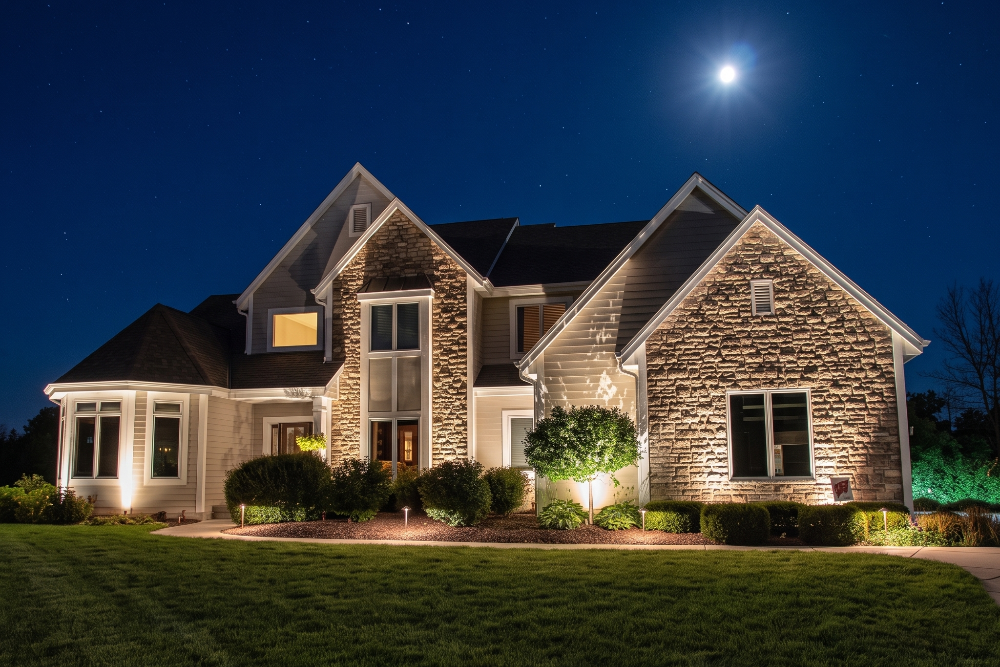
Smart outdoor lighting can transform your home’s exterior while reducing energy costs and enhancing security. About 90 percent of outdoor fixtures are compatible with smart technology, which makes the upgrade simpler than you might think. Smart bulbs consume...
The wall wash vs wall grazer debate confuses many outdoor lighting enthusiasts, yet the choice changes how your architecture appears after dark. The biggest difference between wall washing and wall grazing is the position of your lights. Wall washing seeks broader,...
Many lighting projects fail due to inadequate illumination, dark spots, or fixtures that don’t meet local codes. What is a photometric plan, and how does it solve these problems? A photometric lighting plan is a technical document that predicts how light will...
Low voltage landscape lighting systems deliver professional-grade illumination for less than $5 per month with a typical 10-light LED setup. This energy efficiency makes them a popular choice for homeowners who want to improve their outdoor spaces without inflating...
Outdoor lighting control has become more than a luxury feature. ASHRAE/IES 90.1-2010 requires all outdoor lighting be controlled by a photosensor and mandates at least 30% power reduction after business hours. Well-lit outdoor areas create safer environments and deter...
Outdoor lighting should make your property safer, more inviting, and more beautiful—not create blinding hotspots or unnecessary light pollution. That’s why more homeowners and commercial property owners throughout Cincinnati and Northern Kentucky are choosing...